Institute for Mechanobiology
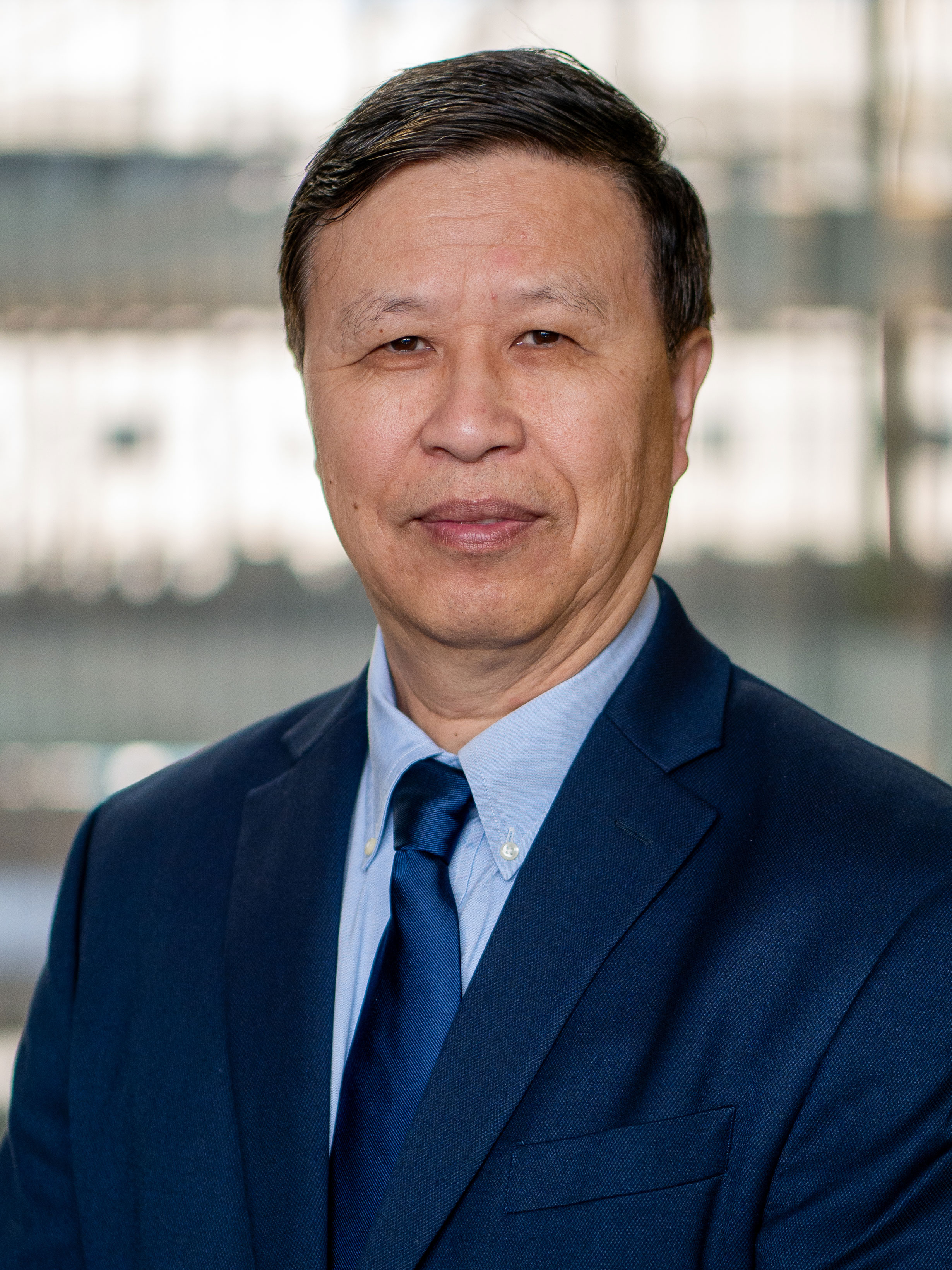
Northeastern University’s Institute for Mechanobiology accelerates mechanobiology discovery and technology to advance human medicine and health. It is one of only a few in the world specifically dedicated to mechanobiology study and innovation. Ning Wang, professor of bioengineering, is director of the institute, which is made up of faculty experts from the College of Engineering, College of Science, and Bouvé College of Health Sciences.
Widely believed to be the “missing science,” mechanobiology can provide the critical link between a variety of pathologies and their root causes, leading directly to the development of effective therapeutics and prevention strategies for many currently untreatable and debilitating medical conditions.
The institute’s research investigates the role of force and mechanics in biological systems, discovers the root causes of mechanobiological pathologies that negatively affect quality of life, designs interventions and sensors to alter mechanical inputs and biological outputs, and pursues mechanotherapeutics that restore function or slow the progression of diseases.
Initially, the primary mechanobiology research theme is aging, with faculty investigating several interconnected sub-areas, from cardiovascular, musculoskeletal, neurological, and immune systems to mechanotherapeutic technology and methods, to mechanobiological rehabilitation devices, and more. Thoroughly understanding the aging process and its implications for health and well-being is increasingly imperative as the Baby Boom generation grows older. The number of Americans over 65 is projected to reach 80 million in 2040 according to the Urban Institute, with the number of adults 85 and older—the group most often needing help with basic personal care—more than doubling between 2020 and 2040.
For more information contact:
Mechanobiology and mechanomedicine investigating mechanomemory in cancer and stem cell systems
Recent News

BioE PhD Students Receive 2026 AHA Predoctoral Fellowships
Catherine Karpova, PhD’27, and Stefanie DeFronzo, PhD’27, bioengineering, in BioE Professor Guohao Dai’s lab, were awarded 2026 American Heart Association Predoctoral Fellowships.

Short Bursts of Mechanical Stress on Epithelial Cells Can Trigger Lasting Biological Response
Ning Wang, BioE professor and director of the Institute for Mechanobiology, and a team of researchers published “Mechanomemory After Short Episodes of Intermittent Stresses Induces YAP Translocation via Increasing F-actin” in APL Bioengineering.