New and Knowledgeable Experiences Through LEADERs
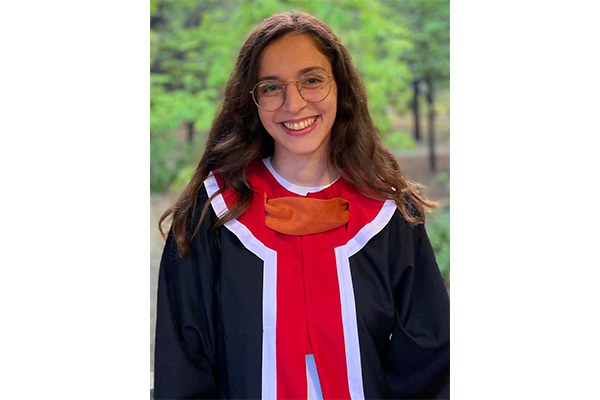
Elifnur Sunger portrait. Courtesy Photo.
Elifnur Sunger, MS’25, PhD ’26, electrical engineering, reflects on her internship at Sanofi-blending machine learning and biology-as well as crucial lessons from the LEADERs Program.
This article was published by Enryka Christopher.
For Elifnur Sunger, a fifth-year PhD candidate in electrical engineering, the LEADERs Program didn’t just offer a placement opportunity with an industry leader, it also demonstrated how academic training translates to industry use and how leadership evolves in practice. Sunger’s advisor consistently encouraged his lab students to participate in the program. Initially drawn in by the internship placement opportunities, she quickly discovered value in the program’s course structure itself. While taking the LEADERs introductory course “Leading Self and Others,” Sunger found the emphasis on communication and problem framing tremendously beneficial when collaborating within industry, “I really liked the presentations. The techniques we learned helped me formalize my research, understand motivation, and think about broader impacts.”
Sunger’s LEADERs placement at Sanofi paired her machine learning expertise with a biology-based team, which highlighted for her how even if the data or application of it differs significantly from her PhD work, the fundamental challenges remained familiar, “My experience with medical applications, understanding data limitations and recognizing that domain knowledge is crucial, that stays the same. My team didn’t have a background in machine learning, and I don’t have a background in biology,” but this allowed for a good blend of both areas of expertise. What surprised Sunger most wasn’t the technical work, but the human elements of industry research. Observing team structures and communication patterns across different groups opened her eyes to how ideas flow in corporate environments, “I learned how to reach out for help, how to ask for help. It helped me understand the industry approach. It’s not just about the research space, but mostly about communication.”
Reframing Future Possibilities in Leadership
Before her LEADERs placement, Sunger planned on sticking to non-executive positions, as she equated leadership to overwhelming responsibilities and stress. However, Sanofi challenged that assumption, “At least as I see from Sanofi, leadership looks manageable, and people look happy at their jobs.” Additionally, her views significantly changed on how scholars continue to engage with research after taking on leadership roles, as she saw that “All of the leads are still trying to teach themselves the trendy topics, trying to understand, read papers, take courses.” This revelation expanded her vision of what was possible to do in her post-PhD career, and she now sees leadership positions as a viable, even appealing, choice. These are roles in which she can continue to learn while also progressing teams toward success.
Sunger took the first of the LEADERs Program courses, PHDL 7600 “Leading Self and Others,” while also completing her dissertation proposal. Although the added coursework and class time was difficult to juggle with preparing her proposal, Sunger ended up finding that the presentation skills and problem framing techniques taught in the course directly contributed to strengthening her proposal, “The program didn’t change my direction [of research], but it helped shape my proposal and the last steps for my PhD. It helped me motivate the problem better because we practiced explaining our work to others.”
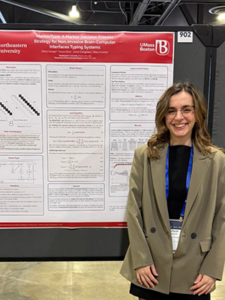
Sunger presenting research. Courtesy Photo.
It was so helpful, in fact, that she specifically advises other PhD students considering the LEADERs Program to engage fully with the coursework, particularly the presentations, even when the workload feels demanding. For those planning to do the entire LEADERs placement program, she offered further advice to maintain persistence during the placement search, “If an initial placement opportunity doesn’t lead to a match, it just means there may be a better match in the future. Keep applying, keep talking with Wendy and Terry [Directors of LEADERs program].” As Sunger approaches the end of her doctoral studies on machine learning for healthcare applications, she realizes her LEADERs experience has given her more than technical skills or industry connections. It has provided her with a clearer picture of how leadership in research can be both sustainable and fulfilling.
Source: PhD Education
More about Elifnur Sunger:
Originally from Ankara, Turkey, Elifnur Sunger started her PhD at Northeastern in 2021. Outside of academia, she enjoys playing volleyball and creating pottery. Read her recently published paper below: